

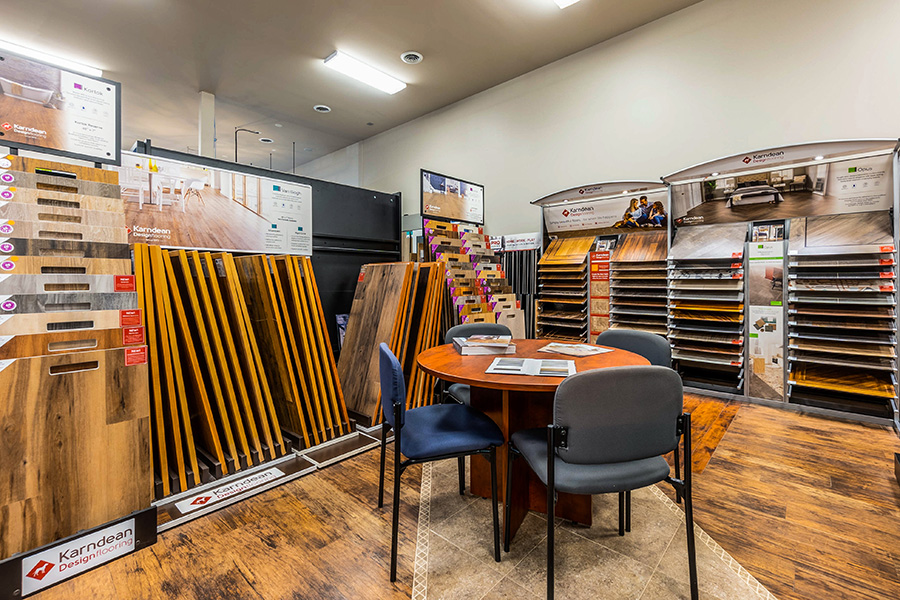
When you are choosing new wood floors, the warranty can look reassuring at first glance—until you try to figure out what it actually covers. Many homeowners in Burlington run into the same problem during a remodel: two beautiful products may seem similar in the showroom, but the fine print behind them can be very different. A strong warranty matters, but it only helps when the floor is matched to the home, installed correctly, and maintained with realistic expectations about New England weather.
What a hardwood warranty usually covers
Most hardwood warranties are split into a few separate categories. You may see one section for the finish, another for structural integrity, and sometimes a distinct commercial or wear clause depending on the product. The finish portion usually addresses how the top protective layer performs under normal residential use, while the structural portion is more about the board itself holding up as intended.
That distinction matters because everyday signs of life in a home—small dents, surface scratches, and changes caused by indoor humidity—are not always considered defects. When comparing solid and engineered wood flooring options, it helps to look beyond the years listed on the label and ask what conditions must be met for the coverage to remain valid. A longer warranty is not automatically a better one if the exclusions are broad.
Installation requirements are part of the warranty
One of the most overlooked details is that the warranty often depends on proper site conditions and professional installation. In Massachusetts, winter heating can dry out interior air, while summer humidity can push moisture levels in the other direction. Wood reacts to both. If the subfloor is not tested, the material is not acclimated correctly, or the wrong installation method is used, a manufacturer may deny a claim even if the floor itself is high quality.
That is why remodel planning should treat product selection and installation as one decision, not two separate steps. At Horizon Interiors, we guide homeowners through layout, material choice, and full installation so the floor is not judged in isolation from the conditions around it. If your project also includes cabinetry or room reconfiguration, a start-to-finish remodeling approach helps protect both the schedule and the finished result.
Read the exclusions before you compare brands
The most important part of a warranty is often the section people skim. Exclusions tell you what the manufacturer will not pay for, and that list can be revealing. Sun fading, pet damage, standing water, improper cleaning products, and seasonal gapping may all be limited or excluded. In older homes around Woburn, subfloor irregularities and long-term settling can also affect how a wood floor performs over time.
This is where expert guidance becomes useful. A showroom visit should not stop at color and plank width. You should also be asking how the product fits your household, whether engineered construction makes more sense than solid wood, and how adjacent materials will behave in the same space. Seeing completed installations in our recent remodeling gallery can help you understand how different wood styles look once they are part of a real home rather than a small sample board.
The right floor is the one that fits your home
A good warranty supports a smart purchase; it does not replace one. The best outcome comes from choosing a product that suits your traffic levels, indoor conditions, and design goals from the start. Some households need the warmth and authenticity of hardwood, while others may be better served by waterproof luxury vinyl styles in nearby entry areas, mudrooms, or lower levels where moisture is a bigger concern.
If you are weighing flooring choices for a Burlington remodel and want clear guidance on what the warranty language really means, we are happy to help you sort through the details and recommend a solution that fits your space. You can get started with a free project estimate.


