

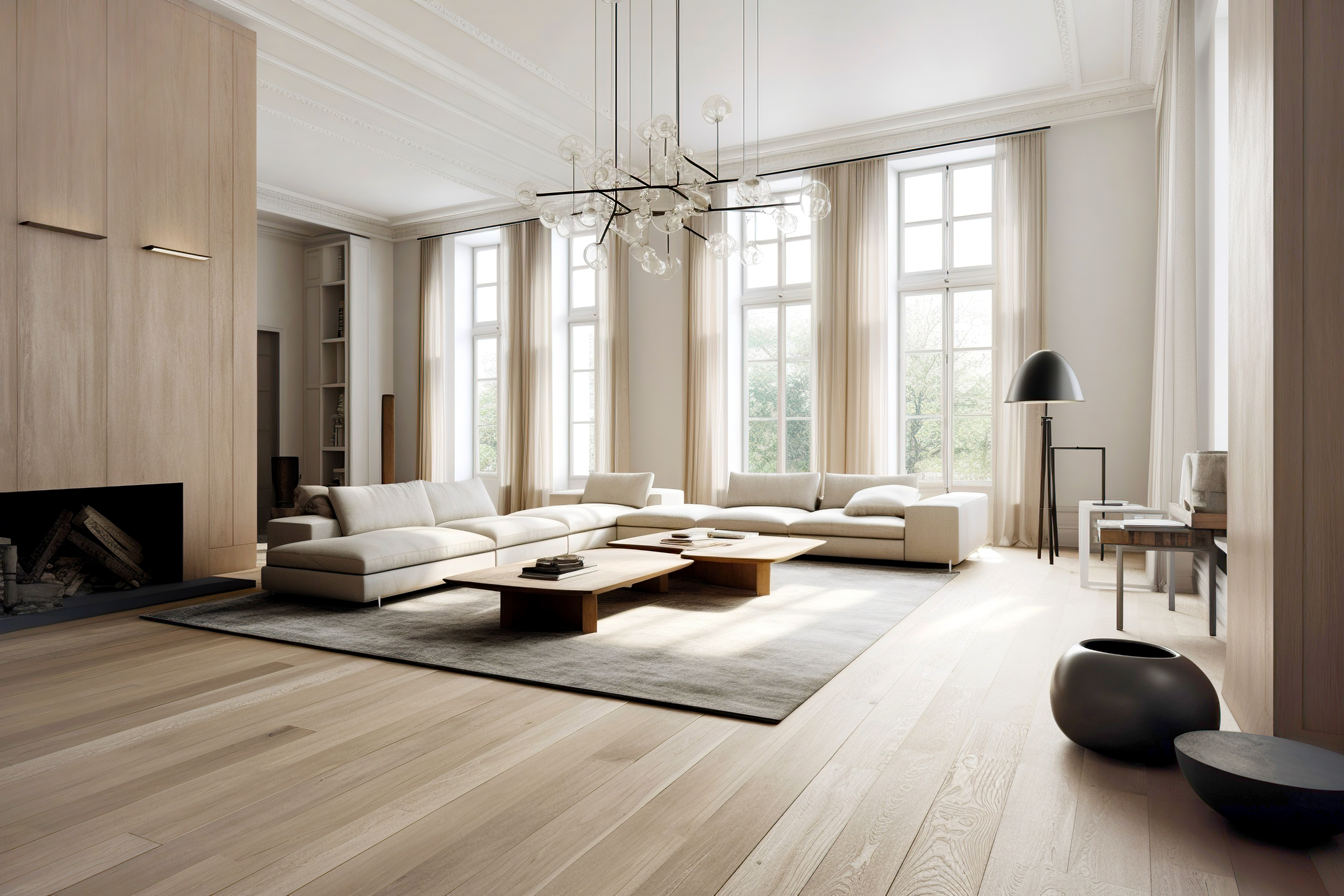
The first real snow hits, the kids kick off their salty boots by the door, and by February your beautiful wood floors are dull, streaked, and sprinkled with little white salt rings. If you live in or around Woburn, you know winter is as hard on floors as it is on your driveway. The good news: with the right habits and a few smart upgrades, you can keep hardwood looking rich and healthy all season instead of holding your breath until spring.
How New England Winters Stress Hardwood
Hardwood is a natural material, so it responds to the same winter conditions you do: cold, dry air outside and forced hot air inside. That combination pulls moisture out of the boards, which can lead to gaps between planks, hairline cracks, and creaky spots. At the same time, every trip through the door can track in melted snow, sand, and ice melt that sit on the surface and slowly eat away at the finish.
The type of wood and how it’s constructed make a difference. Many homeowners in older Melrose and Reading homes are surprised how much more stable engineered products can be when humidity swings between January and July. If you’re planning new floors or an upgrade, it’s worth looking at solid and engineered hardwood options that are designed to handle seasonal expansion and contraction when they’re installed correctly.
Create a Winter “Landing Zone” at Every Entrance
Your first line of defense is what happens in the five feet just inside each door. Snow and salt do the most damage in that small area, so creating a proper landing zone is essential.
Start with a stiff, outdoor mat to knock off grit, followed by a highly absorbent indoor rug on top of a waterproof pad. Add a tray or boot bench where shoes can drip without touching the wood itself. In busy households, especially in Burlington colonials with direct garage entries into the kitchen, these details dramatically cut down on the amount of moisture that ever reaches your hardwood.
If you’re remodeling or rethinking your layout, consider using more resilient materials in those high-traffic entries. Many clients pair their main living areas in wood with durable tile surfaces in mudrooms so the mess gets contained before anyone steps onto the planks. Our team can help you design that transition so it looks intentional rather than patched together.
Control Moisture and Temperature Inside the Home
Once winter sets in, the goal is to keep conditions as steady as possible. Hardwood is happiest when indoor humidity stays roughly in the 35–55% range. Below that, boards start to shrink; above it, they can swell and cup.
A few practical habits make a big difference:
- Run a whole-house or portable humidifier when the heat is on.
- Keep thermostats consistent instead of big day–night swings.
- Wipe up any puddles or spills immediately, especially near doors and pet bowls.
When we install new floors, we allow the material to acclimate to your home before it goes down and leave proper expansion gaps at the perimeter. Those small details during professional hardwood installation and design are what keep the floor looking tight and even years down the road, even through many winters.
Clean Gently but Consistently All Season
Winter debris is abrasive, so letting it sit underfoot is what leads to premature dullness and scratches. A quick daily routine is far more effective than heavy scrubbing once a week.
Use a soft-bristle broom or a vacuum with a hardwood-safe head to pick up sand and grit. For deeper cleaning, a slightly damp microfiber mop with a wood-safe cleaner is ideal; avoid steam mops and anything that leaves standing water. If you have upstairs bedrooms or a family room where you’d like more warmth and sound absorption, layering in plush wall-to-wall carpet can take pressure off the hardwood by shifting some winter traffic onto a softer surface.
If you’re planning a larger refresh, this is also a great time to think about how your floors interact with adjacent spaces. Many homeowners looking at updated layouts or new islands find it helpful to browse our completed project gallery to see how continuous flooring, area rugs, and different materials can work together in a real home.
When It’s Time to Rethink Your Winter Flooring Strategy
Sometimes the best protection is choosing the right material in the right room. In households with big dogs, hockey bags, and constant in-and-out traffic, hardwood can still be the star in living and dining rooms, while more forgiving products take over in the entry or basement. We often pair classic wood with waterproof luxury vinyl planks in high-traffic zones so you get the look you love with less worry about puddles or salt stains.
Because we design, supply, and install everything under one roof, we can help you map out a full-home plan that respects your existing hardwood and protects it instead of working against it.
If you’re noticing gaps, cupping, or just more wear than you’d like on your floors, our designers can walk you through your options—from better winter habits to strategic material changes. When you’re ready, you can request a personalized flooring consultation and we’ll help you create a winter-proof plan tailored to your home.


