

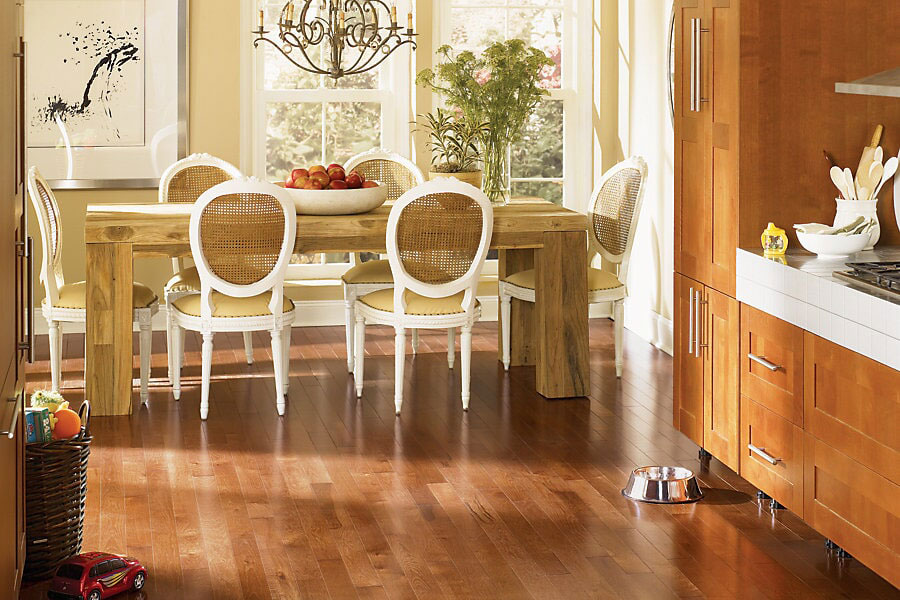
You finally cleared a weekend, moved the furniture, and now you’re staring at your hardwoods wondering: is it smarter to finish them with oil or water-based polyurethane? In a New England home where winters are dry, summers are humid, and boots track in salt and sand, that choice matters as much as the wood species itself. The right finish will protect your floors, influence how they age, and determine how often you need to refinish.
Below, we’ll walk through how each option behaves in a Massachusetts climate so you can make a confident decision before your next hardwood installation or refinishing project.
How Each Finish Looks and Ages on Your Floors
Oil and water-based finishes create very different moods, especially on classic oak and maple that you see so often in and around Woburn.
Oil-based polyurethane tends to:
- Add a warm amber tone that deepens over time
- Highlight grain patterns and give that traditional “New England” richness
- Yellow more noticeably as the years go by, especially in sunny rooms
Water-based polyurethane, by contrast, is usually:
- Clearer and more neutral in color
- Better for keeping light stains and natural maple looking bright
- Less prone to yellowing, which suits modern, airy interiors
If you’re choosing new planks, our hardwood catalog lets you see how different species and finishes work together. You can explore those solid and engineered hardwood options and then talk through finish choices with our design team so the whole room feels cohesive, not just the floor.
Key idea: Oil lends warmth and character; water-based keeps things lighter and closer to the raw wood tone.
Durability in New England Winters and Humid Summers
Any finish on a properly installed floor can perform well, but oil and water-based products respond a bit differently to daily abuse.
Oil-based polyurethane typically:
- Builds a thicker film with fewer coats
- Handles abrasion from sand and salt very well
- Takes longer to harden fully, but forms a tough, forgiving surface
Water-based polyurethane:
- Cures faster, which is helpful if you can’t be off the floors for long
- Resists yellowing and often has better chemical resistance
- May require additional coats to achieve the same film thickness
In our climate, the bigger durability challenge is often movement in the wood itself. Dry forced-air heat in winter and humid summers cause boards to expand and contract. Choosing the right plank construction matters as much as finish selection, which is why we often recommend engineered products in certain rooms. When we plan a project, we look at how wide‑plank engineered selections will behave in your specific space, then select a finish that can flex with those seasonal changes.
Key idea: Both finishes can be durable when applied correctly. The best choice depends on how fast you need to reoccupy the space and how hard your family is on the floors.
Odor, Dry Time, and Everyday Living
For many homeowners, the decision comes down to how disruptive the work will be.
Oil-based finishes:
- Have stronger fumes and higher VOCs
- Often need overnight—or longer—between coats
- Usually require you to stay off the floors for a longer window
Water-based finishes:
- Have milder odor and lower VOCs
- Dry to the touch more quickly, allowing multiple coats in a day
- Let you get back into bedrooms, hallways, and living areas sooner
If you’re planning a more extensive renovation, we can coordinate finish schedules around other work so you’re not constantly moving out and back in. When we manage larger remodeling projects with new flooring, cabinetry, and lighting, we phase the job so finishes cure properly without bringing your household to a standstill.
Key idea: Water-based is easier on air quality and timelines; oil-based is more old-school and slow-curing, but still a great fit when you can vacate the space.
Matching Finish Choice to Room Use and Style
The right finish is rarely a one-size-fits-all answer. We look at how each room is used, the existing materials, and the overall style of your home.
In a historic living room with original oak, a slightly ambered oil finish can feel period-appropriate and cozy. In a newer Burlington-area home with white cabinets and quartz, a clear water-based finish might better support the clean, modern lines. Some clients even mix solutions—hardwood in main areas paired with durable tile surfaces in mudrooms and baths where water and salt are constant.
If you’re still unsure, browsing a few completed projects often helps. Seeing how other homeowners balanced plank color, sheen level, and finish type in our hardwood and remodel photo gallery can clarify what feels right for your own spaces.
Key idea: Start with how you live—pets, kids, entertaining, historic details—then choose the finish that best supports that lifestyle.
Ready to Talk Through Your Own Floors?
Whether you’re installing new hardwood or trying to decide how to refinish existing planks, you don’t have to puzzle through oil vs water-based finishes alone. Our team handles everything from product selection to final coat, so the floors you choose in the showroom are the floors you enjoy at home.
If you’d like tailored guidance for your home, you can request a personalized flooring and design estimate, and we’ll help you weigh the options room by room.


