

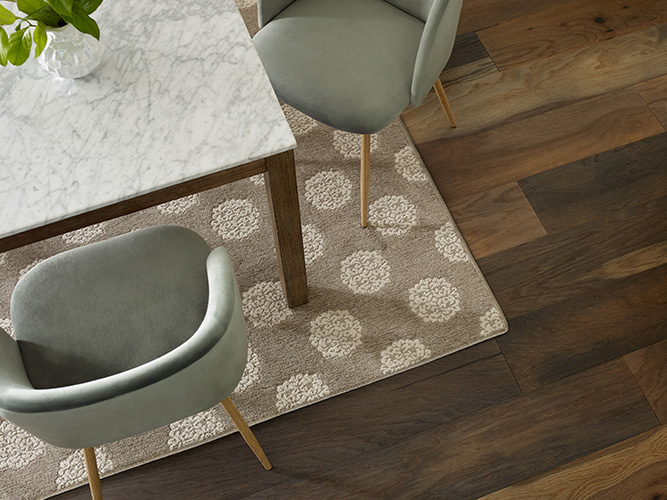
If you are planning new wood floors upstairs, the choice is not just about color or plank width. Second-floor rooms behave differently than main-level spaces. They tend to be drier in winter, warmer in summer, and more sensitive to sound underfoot. In older Melrose homes especially, those conditions can make the difference between a floor that stays beautiful for years and one that becomes noisy, gapped, or fussy to maintain. The better decision usually comes from understanding how each material reacts to real New England living.
Why upstairs rooms change the hardwood conversation
Solid hardwood has a classic appeal for a reason. It can be refinished multiple times, it feels substantial, and it suits traditional architecture beautifully. But upstairs bedrooms and hallways often experience bigger swings in indoor humidity because heat rises and forced-air systems dry those areas out first. That movement matters. Boards expand and contract across the seasons, which can lead to more visible gaps or minor cupping if the material and installation plan are not matched carefully to the house.
Engineered wood is built differently, with a real hardwood surface over a layered core designed for greater stability. In many second-floor spaces, that construction makes it a smart answer to the seasonal shifts common in Massachusetts homes. If you want to compare species, finishes, and plank formats before deciding, our hardwood flooring selection is a helpful place to start.
When solid hardwood still makes sense
That does not mean solid wood is the wrong choice upstairs. In the right home, it can be an excellent one. If the framing is sound, the indoor climate stays fairly consistent, and you love the idea of a floor that can be renewed again and again over decades, solid planks may be worth the investment. They are especially compelling when you are trying to preserve the character of a colonial or Victorian layout without introducing a floor that feels too contemporary.
The important part is not just the product. It is the planning underneath it. Subfloor condition, board direction, transitions, and stair detailing all affect how the finished rooms will look and sound. That is why we approach these projects as complete installations rather than simple material sales, pairing design guidance with jobsite preparation and precise fitting from start to finish. You can see how that craftsmanship comes together in recent completed interiors.
Why engineered wood often wins on the second floor
For many families, engineered hardwood offers the best balance of beauty and practicality upstairs. It gives you the warmth of real wood while handling dry winter air more gracefully. It can also be a strong option when you want wider planks, since stable construction helps reduce the seasonal stress that broader boards can experience.
There is also the comfort question. Upstairs spaces should feel quiet and settled, not hollow or echo-prone. Underlayment choice, subfloor corrections, and installation method all play a role in how the floor sounds when someone walks down the hall early in the morning. Those details are easy to overlook if you only focus on samples in a showroom. Our team helps homeowners think through the full room assembly, and our experienced design staff can walk you through the tradeoffs in a way that fits your home, not a generic checklist.
Think beyond the bedroom floor itself
Second-floor updates often connect to a bigger remodel. If you are refreshing upstairs bedrooms, you may also be reworking a stair landing, updating a hallway bath, or coordinating surfaces so the whole level feels intentional. In those cases, flooring should not be chosen in isolation. Wood tone, trim color, and nearby surfaces all need to relate to one another.
That broader view is part of why homeowners in Woburn and nearby communities come to us for more than product selection. When a project expands beyond flooring alone, our start-to-finish remodeling services make it easier to coordinate materials, measurements, and installation without juggling multiple companies.
Choosing between engineered and solid hardwood for an upper level comes down to your house, your comfort expectations, and how much seasonal movement you are willing to manage. If you want help weighing those factors in a real home rather than a hypothetical one, you can request a free in-home estimate.


