

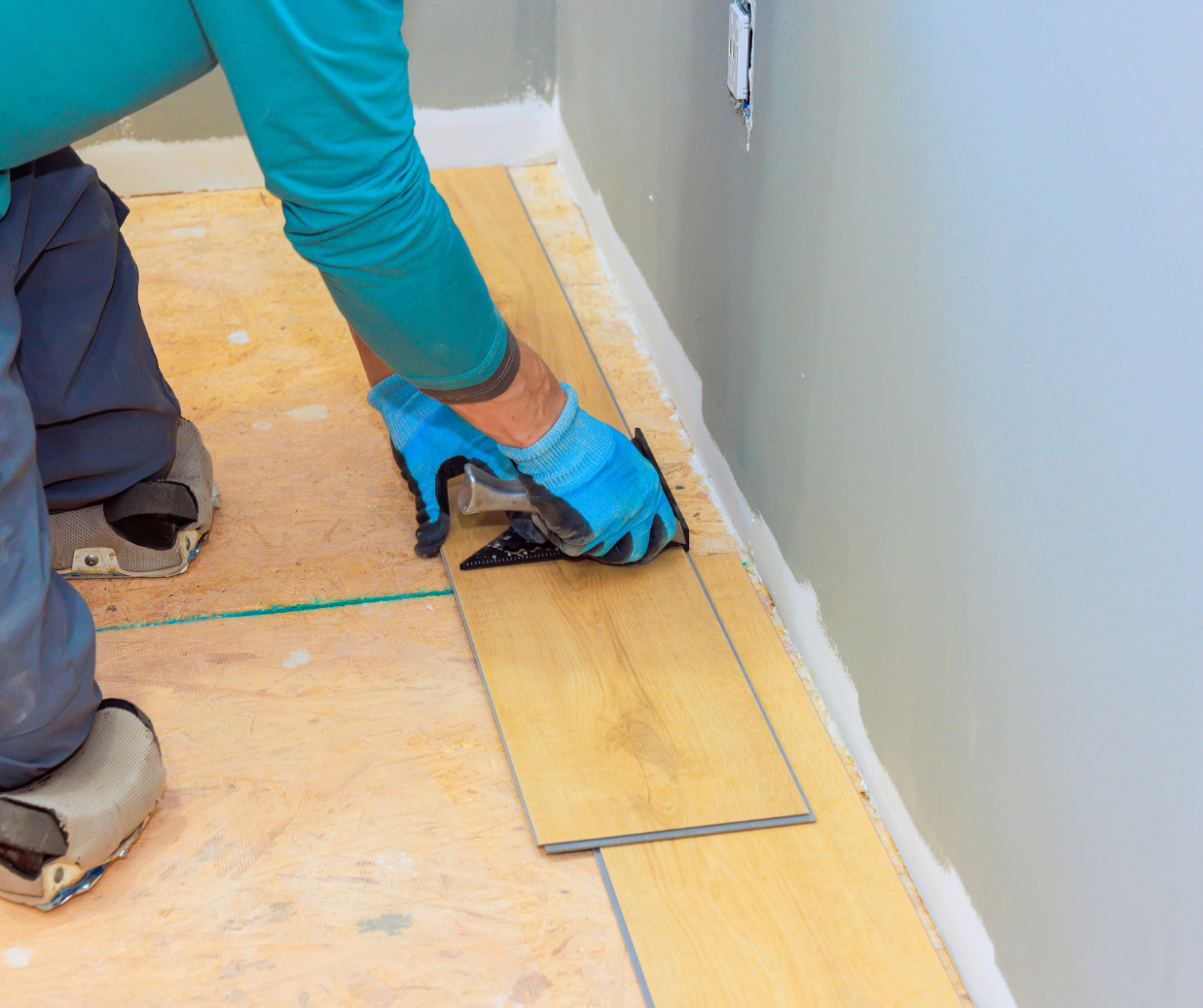
If you live in an older Reading home, you probably have the classic New England mix of charm and quirks: sloping rooms, radiators under windows, maybe a few hairline cracks in the plaster. When new hardwood goes in, those quirks suddenly matter. Installed correctly, wood floors feel like they’ve always belonged. Installed poorly, gaps, squeaks, and cupping start to show up just as the first humid summer rolls in.
Below are the mistakes we see most often in historic houses—and how a careful, full-service installation team avoids them.
Ignoring what’s under the floorboards
In older homes, the subfloor is rarely perfectly flat. Over decades, framing settles, boards loosen, and past renovations leave patches of different materials. Laying hardwood over that without preparation is an invitation to squeaks, hollow spots, and boards that separate.
A professional crew starts by mapping out every dip and hump, tightening loose subfloor boards, and using leveling compounds where needed. In some homes, that means a bit of carpentry before a single plank is installed. When you explore our solid and engineered hardwood collections, you’ll see beautiful finishes—but the long-term performance comes from the unseen work beneath.
Key idea: A beautiful hardwood floor is only as good as the subfloor it rests on.
Skipping acclimation in New England’s changing seasons
Massachusetts homes live through dry, heated winters and humid summers. Wood responds to that environment, expanding and contracting as moisture changes. One of the biggest mistakes in older homes is rushing installation without giving the planks time to acclimate to the house.
Boxes dropped off from a delivery truck in January or July shouldn’t be installed the same day. Instead, the material should sit in the rooms where it will live, with HVAC running normally, until moisture levels stabilize. Our installers use moisture meters and adjust timing based on both the product and the conditions, not just the calendar. That attention to acclimation is one reason our team’s decades of experience matter so much in historic properties.
Key idea: Proper acclimation is your best defense against seasonal gaps and cupping.
Choosing the wrong hardwood for an older structure
Not every hardwood works equally well in an older home. Long runs of solid, wide-plank boards over slightly uneven framing can move more dramatically than a thoughtfully chosen engineered product. In high-traffic family spaces, softer species may dent more quickly than you’d like.
The right choice balances aesthetics, structure, and lifestyle. In some Reading colonials, we recommend engineered options that look like classic oak but handle subfloor irregularities and humidity swings more gracefully. In others, solid planks fit perfectly once the subfloor is corrected. If you’re debating hardwood versus resilient materials for mudrooms or basements, it can help to compare our waterproof tile and porcelain options for the most moisture-prone areas.
Key idea: Matching product type to your home’s quirks prevents problems that no finish coat can hide.
Treating flooring as separate from the rest of the remodel
Another common mistake in older homes is tackling hardwood in isolation. In reality, new floors interact with cabinets, door casings, stair treads, and even plumbing and electrical work. If the flooring height changes, so does the relationship to thresholds and appliances. In a kitchen or bath, this coordination becomes even more critical.
Because we handle full interiors, our designers look at layouts, cabinetry, and flooring together before installation begins. When you’re planning a larger update, it helps to see how new wood floors might pair with complete kitchen and bathroom remodeling services so everything—from toe kicks to transitions—is thought through in one plan. You can also get ideas from past projects by browsing recent renovations in our gallery.
Key idea: Floors last for decades; they should be planned as part of the whole room, not just dropped in at the end.
Partnering with a team that knows older New England homes
Historic houses reward patience and expertise. From the first measurement to the final trim piece, our installers and designers treat each project as a custom build, not a quick overlay. We supply the materials, manage the details, and install everything so your new floors feel like they’ve always belonged there.
If you’re considering new hardwood for an older home and want to avoid these pitfalls, you can request a personalized flooring estimate and we’ll walk you through options tailored to your space.


