

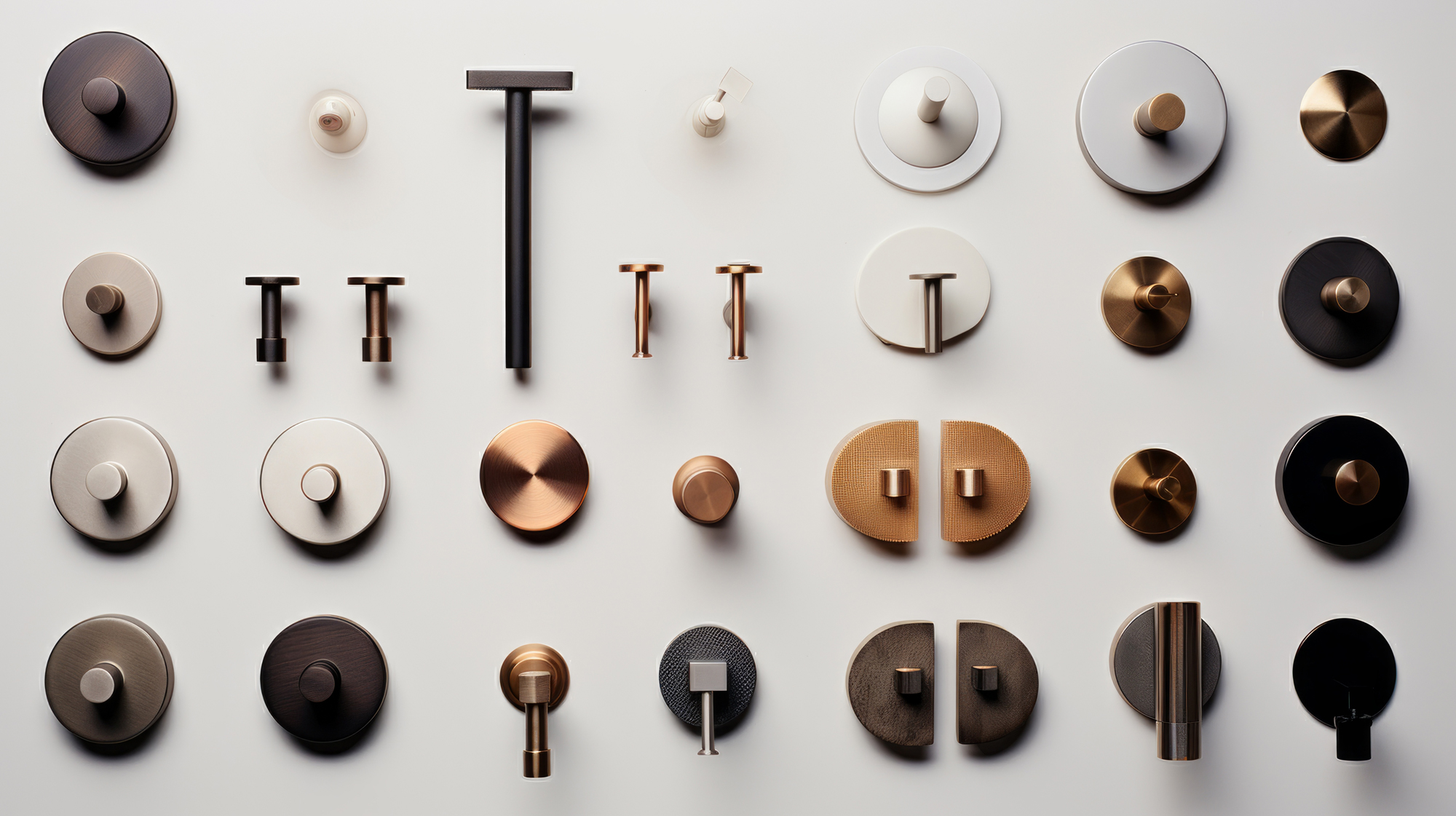
Cabinet hardware might seem like a minor detail in a kitchen or bathroom renovation, but these small elements have an outsized impact on both function and aesthetics. The right knobs and pulls transform cabinet doors from utilitarian necessities into design statements. The right hinges ensure smooth, quiet operation for years to come. At Horizon Interiors in Woburn, we have helped countless Northern Massachusetts homeowners navigate hardware selection, and we have seen how the right choices elevate entire rooms. This guide covers what you need to know.
Why Hardware Matters More Than You Think
Consider this: in a typical kitchen, you might interact with cabinet hardware 50 to 100 times per day. Opening the coffee cabinet in the morning, reaching for plates at dinner, accessing cleaning supplies throughout the day. Over a year, that is 18,000 to 36,000 touches. Over the 15 to 20 year lifespan of quality cabinets, you are looking at hundreds of thousands of interactions with your cabinet hardware.
This frequency of use means hardware quality directly affects daily life.
Cheap pulls that loosen, knobs that wobble, hinges that squeak: these minor annoyances compound into genuine frustration. Quality hardware, properly selected and installed, delivers smooth, reliable function that you simply stop thinking about. And that is exactly the point.
Beyond function, hardware serves as jewelry for your cabinets. It is one of the most visible elements in any kitchen or bathroom, catching light, drawing the eye, and establishing design character. The same white shaker cabinets can read as farmhouse with cup pulls, contemporary with sleek bar pulls, or traditional with classic knobs. Hardware is the finishing touch that defines style.
Knobs vs. Pulls: Making the Choice
The first decision most homeowners face is whether to use knobs, pulls, or a combination. Each has advantages depending on your priorities:
Cabinet Knobs: These single-point hardware pieces offer a classic, timeless look. Knobs work well on cabinet doors where a simple grip point suffices. They require only one mounting hole, making installation straightforward and minimizing drilling into cabinet faces. Knobs are generally less expensive than pulls of equivalent quality and come in virtually unlimited design options from simple round shapes to elaborate decorative styles.
Cabinet Pulls (Bar Pulls, Handle Pulls): Pulls provide a horizontal grip that many find more comfortable and ergonomic, particularly on larger doors and all drawers. The bar pull has become the dominant choice in contemporary kitchens, offering clean lines that complement modern cabinet styles. Pulls require two mounting holes and precise measurement for proper alignment. They typically cost more than knobs but provide a more substantial design presence.
Cup Pulls (Bin Pulls): These drawer-specific pulls feature a curved shape that fingers grip from below. Cup pulls evoke farmhouse and traditional aesthetics while providing excellent ergonomics for drawer operation. They work particularly well on Shaker-style cabinets and in kitchens aiming for vintage character.
The Mixed Approach: Many successful kitchen designs combine hardware types. A common approach uses knobs on upper cabinet doors and pulls on lower cabinet doors and all drawers. This creates visual variety while placing the most ergonomic hardware where it matters most: on heavy lower doors and frequently accessed drawers. At Horizon Interiors, we often recommend this approach for kitchens seeking both traditional character and modern functionality.
Hardware Finishes and Coordinating Your Kitchen
Hardware finish significantly impacts the overall kitchen aesthetic. The key principle: coordinate your hardware finish with other metal elements in the space, including faucets, light fixtures, and appliance handles. While exact matches are not required, finishes should complement rather than clash.
Brushed Nickel and Satin Nickel: These versatile silver-toned finishes work in virtually any kitchen style. Their soft sheen hides fingerprints and water spots while coordinating with stainless steel appliances. Brushed nickel has dominated kitchen design for good reason: it is forgiving, timeless, and widely available at every price point.
Matte Black: The current favorite in contemporary design, matte black hardware creates striking contrast against white or light-colored cabinets. It coordinates beautifully with black stainless appliances and matte black faucets. The finish hides fingerprints well and adds modern edge to both traditional and contemporary cabinet styles. Matte black has become particularly popular in Northern Massachusetts homes seeking updated aesthetics.
Polished Chrome: The classic choice for contemporary and transitional kitchens, polished chrome offers a mirror-like finish that reflects light beautifully. It requires more maintenance to keep fingerprint-free but delivers unmatched brightness. Chrome coordinates naturally with polished chrome faucets common in many Massachusetts homes.
Brass and Gold Tones: Warm metallic finishes have returned strongly to kitchen design. Modern brass hardware tends toward brushed or satin finishes rather than the shiny brass of decades past. These warm tones pair exceptionally well with white cabinets, navy cabinets, and natural wood tones. Brass hardware can elevate a kitchen from ordinary to exceptional when used thoughtfully.
Oil-Rubbed Bronze: This warm, dark finish adds traditional character and works beautifully in kitchens with stained wood cabinets or farmhouse aesthetics. The finish often features subtle highlighting that reveals the underlying bronze, creating depth and visual interest. Oil-rubbed bronze pairs well with copper accents and warm color palettes.
Sizing Your Hardware
Hardware proportions should relate to cabinet size. Oversized pulls on small cabinets look awkward; tiny knobs on large drawer fronts appear inadequate. General guidelines help achieve visual balance:
For Cabinet Doors: Standard cabinet doors (12 to 18 inches wide) work well with knobs 1 to 1.5 inches in diameter or pulls 3 to 4 inches in length. Larger doors may warrant larger hardware. Upper cabinets can generally use slightly smaller hardware than lower cabinets.
For Drawers: Small drawers (12 inches or less) work with single knobs or 3 to 4 inch pulls. Medium drawers (12 to 24 inches) typically use 4 to 6 inch pulls or bin pulls. Large drawers (24 to 36 inches) may warrant pulls up to 12 inches, or doubled hardware with two knobs or pulls.
Measuring for Pulls: Pull sizing is measured by center-to-center distance between mounting holes, not overall length. Common sizes include 3 inches, 3.75 inches (96mm), 4 inches, 5 inches (128mm), 6.25 inches (160mm), and larger. Before purchasing, measure your existing holes if replacing hardware, or plan hole placement for new installations.
The Hidden Hardware: Hinges That Matter
While knobs and pulls receive the most attention, hinges arguably matter more to long-term cabinet performance. Quality hinges ensure doors hang properly, close smoothly, and maintain alignment over years of use.
Soft-Close Hinges: Once a luxury feature, soft-close mechanisms have become standard in quality cabinetry. These hinges use a damping mechanism to catch doors in the final inches of closing, preventing slamming. The benefits extend beyond noise reduction: soft-close hinges reduce stress on cabinet structure, prevent damage from doors banging shut, and create a more refined user experience. US Cabinet Depot, which we carry at Horizon Interiors, includes soft-close hinges as standard equipment on all cabinet lines.
Concealed Hinges: Modern cabinetry typically uses European-style concealed hinges that mount inside the cabinet, invisible when doors are closed. These hinges allow for six-way adjustment (up/down, left/right, in/out) to achieve perfect door alignment. Quality concealed hinges from manufacturers like Blum and Grass can handle tens of thousands of open/close cycles without loosening or failing.
Exposed Hinges: For traditional or farmhouse aesthetics, exposed hinges can become design features. Available in various finishes to coordinate with other hardware, exposed hinges add authentic period character. They work particularly well on face-frame cabinets in traditional kitchen designs.
Drawer Slides: The Other Critical Hardware
Drawer operation quality depends entirely on drawer slide quality. Budget cabinets often cut costs here, resulting in drawers that stick, derail, or fail entirely within a few years.
Full-Extension Slides: Quality drawer slides extend fully, providing complete access to drawer contents. Partial-extension slides, common in budget cabinets, leave several inches of the drawer inaccessible, wasting storage space and causing frustration. Full-extension slides have become the standard expectation in modern cabinetry.
Soft-Close Drawer Slides: Like soft-close hinges, soft-close drawer slides prevent slamming and provide a refined, quiet operation. The mechanism catches drawers in the final inch or two, guiding them gently closed. US Cabinet Depot includes soft-close drawer slides as standard on all current cabinet lines.
Weight Capacity: Drawer slides are rated for weight capacity. Standard slides handle 75 to 100 pounds, sufficient for most kitchen drawers. Heavy-duty slides rated for 150+ pounds may be warranted for pot-and-pan drawers or other heavy storage applications.
Hardware Placement Best Practices
Consistent, well-planned hardware placement contributes significantly to kitchen aesthetics. Random or inconsistent placement creates visual chaos that undermines otherwise beautiful cabinetry.
For Upper Cabinets: Mount hardware on the bottom corner of doors (the stile opposite the hinges), typically 2.5 to 3 inches from the bottom edge. This places hardware at the most accessible height and creates visual weight at the bottom of upper cabinets.
For Lower Cabinets: Mount hardware on the top corner of doors (opposite the hinges), typically 2.5 to 3 inches from the top edge. This mirrors the upper cabinet placement, creating visual balance, and positions hardware at comfortable reaching height.
For Drawers: Center hardware vertically on the drawer face. For pulls, center horizontally as well. For knobs on wider drawers, consider placing two knobs symmetrically rather than a single centered knob.
Creating Templates: Before drilling any holes, create a cardboard or paper template for hardware placement. Use the template consistently across all cabinets to ensure uniform positioning. Even small variations in placement become noticeable across a full kitchen.
Budget Considerations
Hardware costs can vary dramatically. A single cabinet pull might cost anywhere from $2 to $50 or more depending on material, finish, and brand. For a kitchen with 30 to 40 pieces of hardware, these differences multiply significantly.
Material matters for both aesthetics and durability. Die-cast zinc is the most common material for quality hardware, offering good weight, durability, and finish adhesion. Solid brass and stainless steel command premium prices but provide superior longevity. Hollow or thin stamped hardware costs less but feels cheap and may not last.
For homeowners on tighter budgets, consider investing in quality hardware for high-visibility and high-use locations while using more economical options elsewhere. The drawer pulls you touch daily matter more than the knob on the rarely-opened corner cabinet.
Why Quality Cabinets Deserve Quality Hardware
At Horizon Interiors, we carry US Cabinet Depot cabinetry because it delivers exceptional construction quality at accessible prices. All-plywood box construction, dovetail drawer boxes, and soft-close hardware come standard. These quality cabinets deserve hardware that matches their construction standards.
We help our customers select hardware that complements their cabinet investment. Whether you prefer the timeless appeal of classic knobs, the contemporary edge of matte black bar pulls, or the farmhouse charm of cup pulls, the right hardware transforms quality cabinets into a cohesive, beautiful kitchen.
See Hardware Options at Our Showroom
Hardware selection benefits enormously from hands-on evaluation. The weight, finish quality, and ergonomics of different hardware options become clear when you can hold them and operate them. At our Woburn showroom, you can see how different hardware styles complement various cabinet door designs and finishes.
Visit Horizon Interiors at 134C New Boston St in Woburn to explore cabinet and hardware options together.
Call (781) 304-6784 or submit an inquiry on our website to schedule a design consultation. We serve homeowners throughout Woburn, Reading, Burlington, Lexington, Stoneham, and the greater Northern Massachusetts area with kitchen and bathroom solutions that attend to every detail, including the hardware that brings it all together.


